Environment
Environment
Nature is the starting and ending point of all our choices.
We work to reduce emissions, optimize resources, and choose materials that respect the planet.
Emissions & Climate
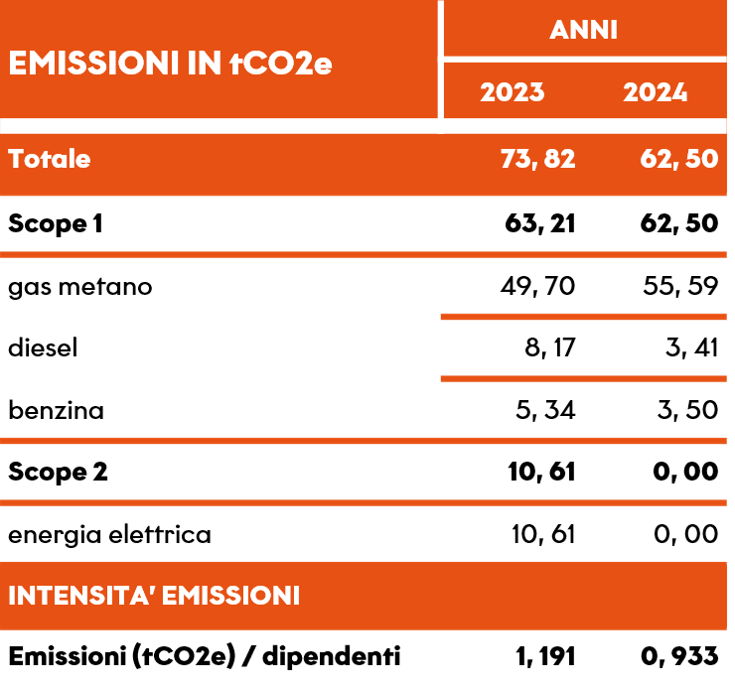
Ferrino quantifies its climate footprint every year following the GHG Protocol, measuring direct emissions (Scope 1), those related to purchased energy (Scope 2), and a portion of the indirect emissions from the supply chain (Scope 3). Once the data is collected, we translate the numbers into concrete actions: we optimize consumption, promote energy efficiency in our factories, and focus on materials and processes that reduce the overall impact of our products.
Thanks to compensation projects and targeted interventions on energy supply, we have achieved neutrality on Scope 2 emissions and we continue to reduce direct emissions from our operational perimeter step by step.
-
SCOPE 1
Emissions generated directly by our activities: company vehicles, heating, and internal processes.
-

SCOPE 2
The emissions produced to generate the electricity we use in our offices and facilities.
-

SCOPE 3
Emissions related to everything that is "around" the product: materials, suppliers, production, transport, use and end-of-life.
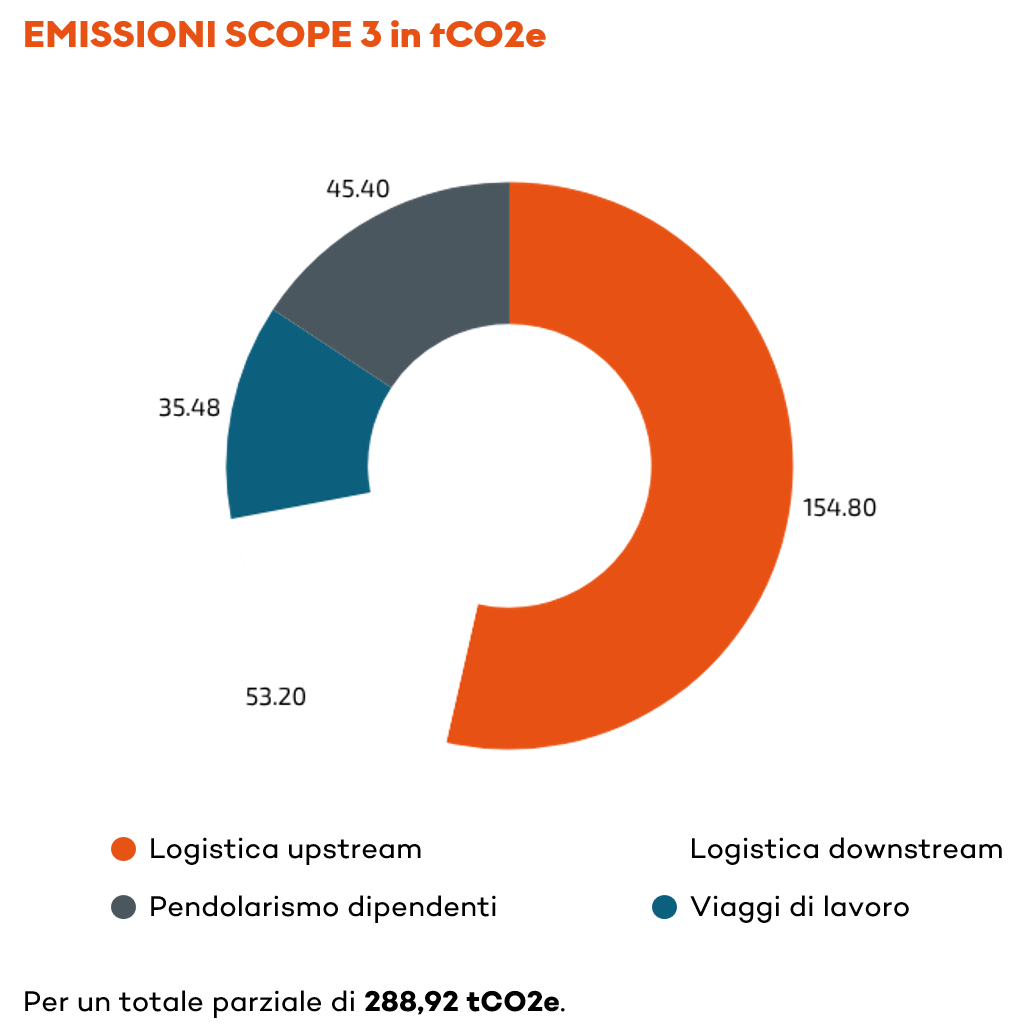
Scope 3 includes emissions generated along the entire value chain (from raw materials to product use and end-of-life). For Ferrino, we have now verified the calculations for some key categories, while other more complex categories (e.g., long-term customer use or some upstream phases further along the supply chain) are currently being mapped.
Indicating from the outset that we have only calculated a portion of Scope 3 is for our part a matter of transparency: we are progressively expanding the scope of the calculation, working with suppliers to collect more precise data and planning a complete mapping of the supply chain in the coming years.
This activity allows us to identify high-impact areas and define targeted interventions—for example, preferring lower-emitting materials, optimizing transportation, and incentivizing more efficient production practices along the supply chain.
Indicating from the outset that we have only calculated a portion of Scope 3 is for our part a matter of transparency: we are progressively expanding the scope of the calculation, working with suppliers to collect more precise data and planning a complete mapping of the supply chain in the coming years.
This activity allows us to identify high-impact areas and define targeted interventions—for example, preferring lower-emitting materials, optimizing transportation, and incentivizing more efficient production practices along the supply chain.
Energy & Resources
Reducing consumption and using energy better is a central commitment for Ferrino.
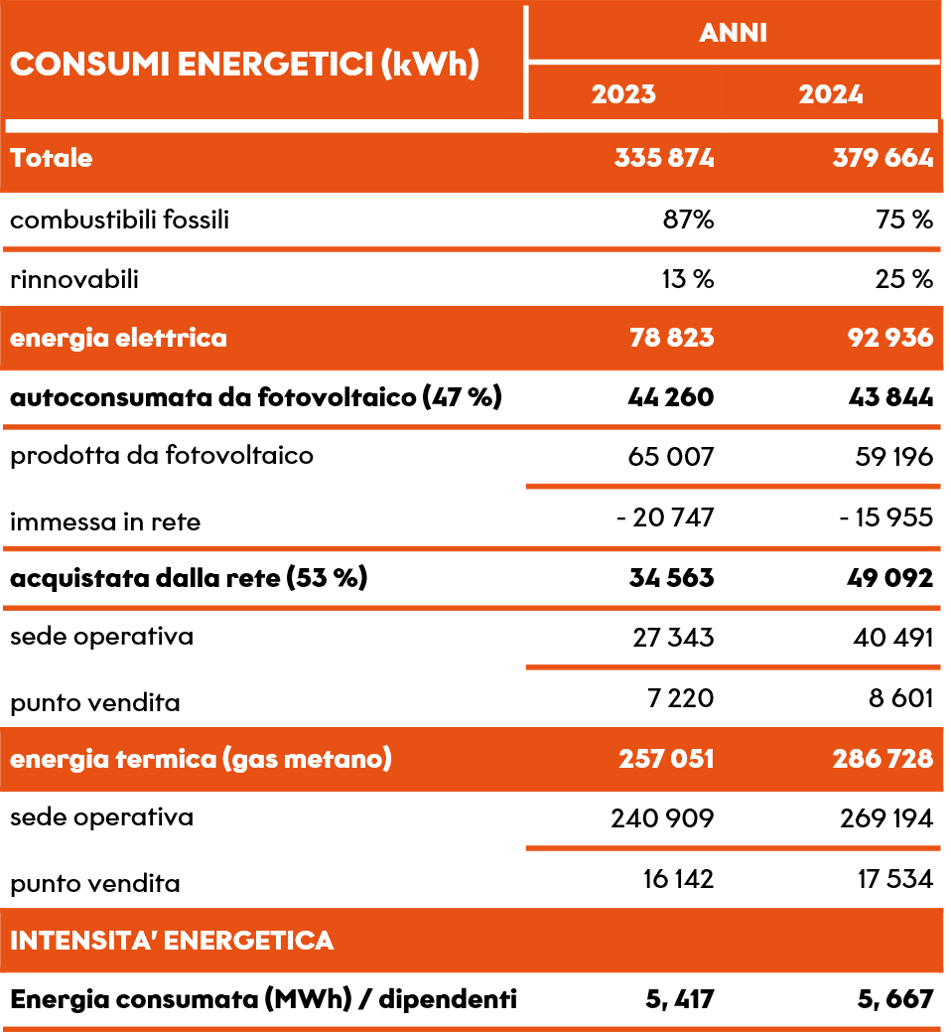
Since 2008, we have installed a photovoltaic system at our headquarters, which allows us to self-produce part of the energy we use, thus reducing our reliance on the grid and related emissions.
To date, 47% of our energy needs are met through green self-production. This investment is combined with our commitment to purchasing energy exclusively from certified renewable sources, including GoGreen solutions.
However, we are aware that ¾ of our carbon footprint linked to energy consumption is related to natural gas, which is why we are evaluating strategies to significantly reduce our impact.
At the same time, we are committed to responsibly managing all the resources we use. We work to reduce water and material waste, promote the use of lighter and more recyclable packaging, and increase the amount of waste sent for separate collection and recovery. The goal is to make every operational phase more sustainable, combining efficiency, innovation, and environmental awareness.
Since 2008, we have installed a photovoltaic system at our headquarters, which allows us to self-produce part of the energy we use, thus reducing our reliance on the grid and related emissions.
To date, 47% of our energy needs are met through green self-production. This investment is combined with our commitment to purchasing energy exclusively from certified renewable sources, including GoGreen solutions.
However, we are aware that ¾ of our carbon footprint linked to energy consumption is related to natural gas, which is why we are evaluating strategies to significantly reduce our impact.
At the same time, we are committed to responsibly managing all the resources we use. We work to reduce water and material waste, promote the use of lighter and more recyclable packaging, and increase the amount of waste sent for separate collection and recovery. The goal is to make every operational phase more sustainable, combining efficiency, innovation, and environmental awareness.
Pollution
In the outdoor sector, the most pressing environmental challenges in terms of pollution concern the use of persistent chemicals – such as PFCs – and the dispersion of microplastics, generated both during production and during the use and washing of products.
The most significant environmental impact we generate is indirect and is mainly linked to the release of these microplastics in the upstream and downstream phases of the value chain.
To reduce it, we focus on designing more durable products and carefully selecting materials. A key achievement has been the complete elimination of PFAS from our range: a strategic choice that protects the environment and meets the expectations of increasingly conscious consumers.
From the point of view of environmental risks, no significant critical issues have emerged, also thanks to the introduction of ISO 14001 certification in 2023.
The most significant environmental impact we generate is indirect and is mainly linked to the release of these microplastics in the upstream and downstream phases of the value chain.
To reduce it, we focus on designing more durable products and carefully selecting materials. A key achievement has been the complete elimination of PFAS from our range: a strategic choice that protects the environment and meets the expectations of increasingly conscious consumers.
From the point of view of environmental risks, no significant critical issues have emerged, also thanks to the introduction of ISO 14001 certification in 2023.